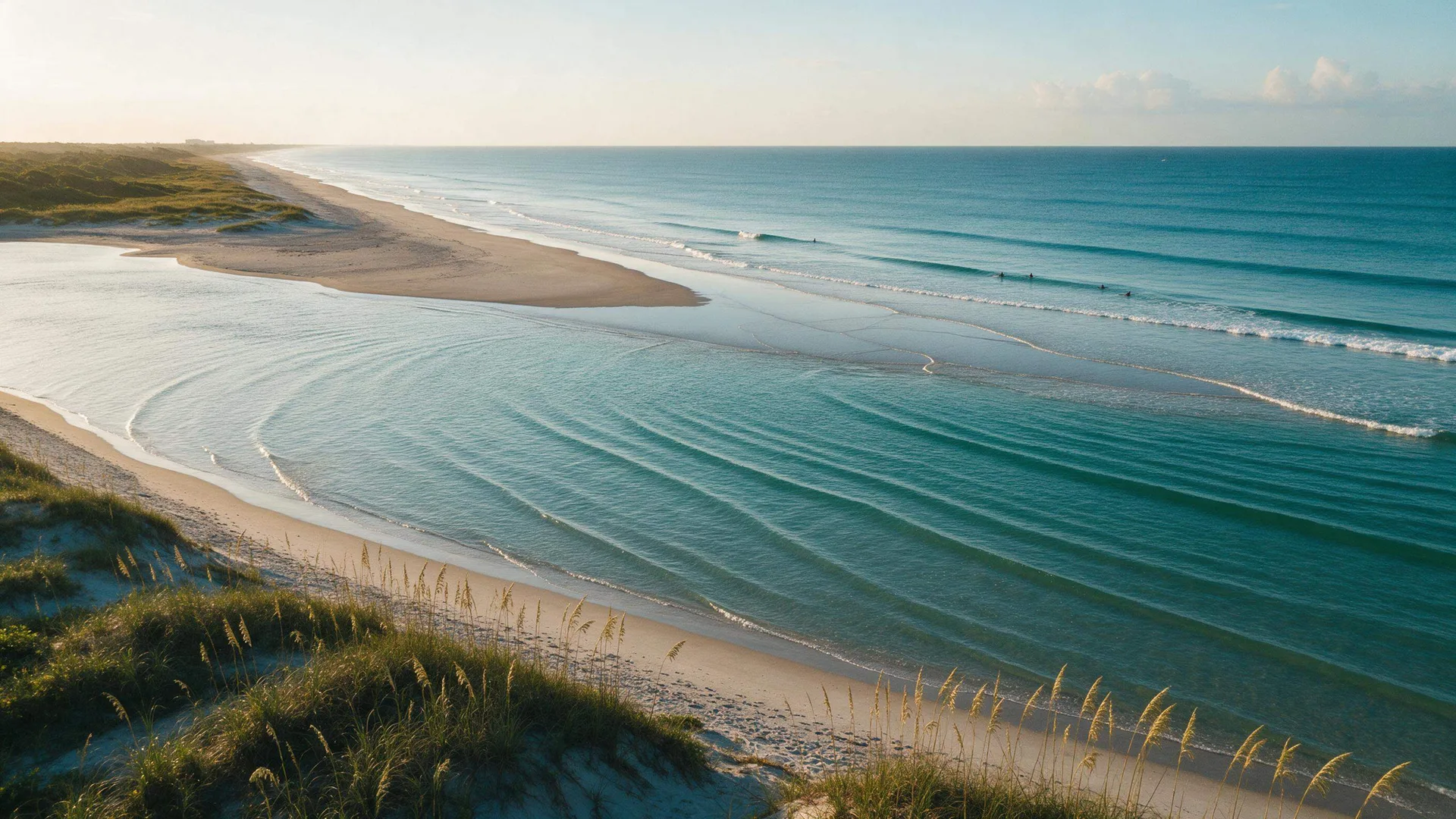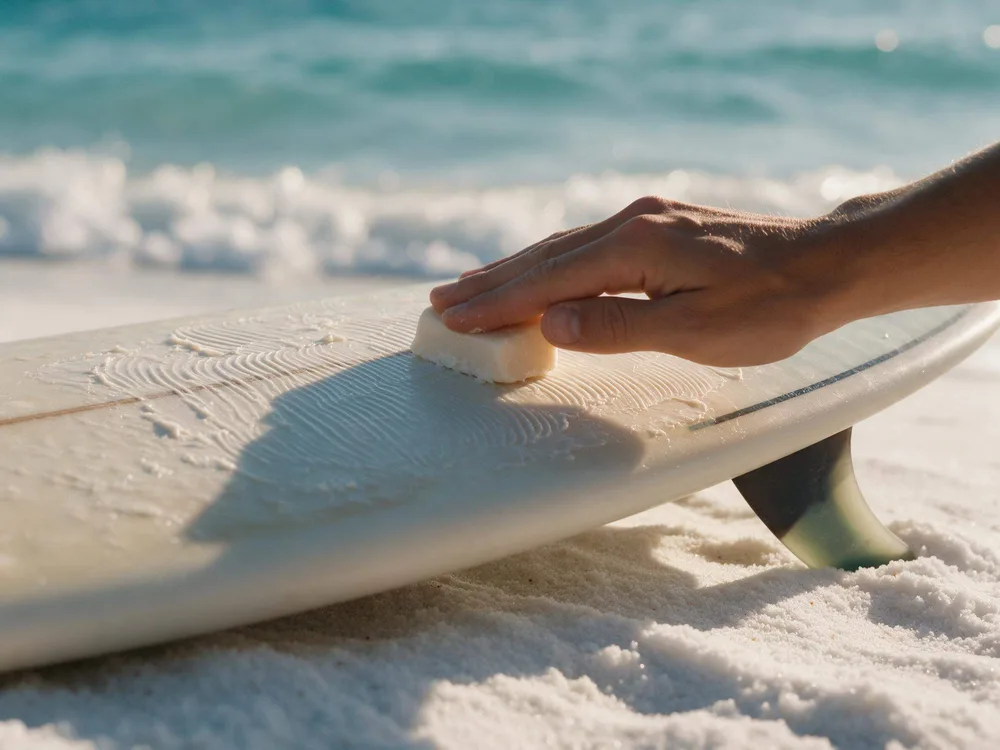
Cocoa Beach is a year-round surf town. The Atlantic sends swell in every month, the water never gets properly cold, and there is a teachable wave somewhere on the sand most days. What changes through the year is the size, the wind, the water temperature and how many people are in the lineup.
Here is how the twelve months actually behave — which season suits a first lesson, when the waves are at their best, what the water feels like and how we adjust timing and gear as the seasons turn.
First lesson: May–October
Warm water and small, forgiving waves. A rash guard is often all you need in summer.
Best waves: September–November
Cleaner offshore lines, warm water and an emptier lineup once the summer crowds leave.
Most swell: December–February
Cold fronts keep the sandbars busy. Wetsuits are included with every lesson.
Any day: mornings
Lightest wind, cleanest surface. We run lessons every day, 9:00 AM to 5:00 PM.
The short answer
For a first surf lesson, book between May and October. Water temperatures sit in the high seventies to mid-eighties, the swells are mostly knee- to waist-high, and a rash guard is usually enough.
For the best-quality waves of the year, come in fall. September through November is when the Atlantic is most active, the wind turns offshore more often and the beach belongs to the locals again.
If we had to choose one month, it would be October: warm water, cleaner lines and quieter sand — the same reason we tell visitors that fall is our favourite season to teach.
Fall (September–November): the best waves of the year
Atlantic hurricane season runs from June 1 to November 30, and storms tracking far offshore are what feed the Space Coast most of its memorable swells. In fall those swells arrive with lighter wind and cleaner lines than the same energy does in summer.
The water is still around 80°F in September and comfortable into November, so early fall surfing is rash-guard weather and late fall moves into a wetsuit. Crowds thin out after Labor Day, which means more space in the water for a beginner learning to paddle out.
- Best overall wave quality of the year
- Warm water through September and October
- Quieter lineup after Labor Day
- Keep an eye on the tropics if you are planning a trip
Summer (June–August): the kindest conditions for beginners
Summer is the most forgiving time of year to learn. The water is warmest — typically around 80°F to the mid-eighties — the waves are smallest, and the inside sections are slow and soft.
The trade-off is that summer is also the flattest season. Long flat spells are normal, and when a wave does come through it is often small enough that you need a long, buoyant board to get moving. Afternoon thunderstorms are a daily pattern in July and August, so we schedule lessons in the morning while the surface is still glassy.
- Warmest water of the year
- Smallest, most forgiving waves
- Book the morning — storms build after midday
Winter (December–February): the most consistent surf
Winter brings the most reliable run of swell. Cold fronts push down the coast, the wind swings northeast, and the waves go from waist-high to shoulder-high and sometimes bigger. The beach is emptier and the air is still mild, often in the seventies.
The water is the catch: expect roughly the mid-sixties to low seventies, which is exactly why a wetsuit matters. Every lesson includes one, so a winter session is no colder than the day itself. We also watch the forecast closely in winter — a strong front can push a beginner session back a day or two, and we would rather move you than take you out in it.
- Most consistent swell of the year
- Wetsuit recommended — included with every lesson
- Empty beaches and mild air temperatures
Spring (March–May): a mixed bag with great value
Spring is a transition. The water climbs from the low seventies into the high seventies, the winter swell fades, and the wind becomes more variable. You can get a clean waist-high morning and a windy, chopped-up afternoon in the same weekend.
It is also the busiest stretch on the sand — spring break and the Easter holidays fill the beach and the parking lots. Book a day or two ahead and take the early slot.
The best time of day for a lesson
Mornings win. The wind is lightest before the sea breeze fills in, so the surface is glassier, the waves are easier to read and the lineup is quieter. Every lesson block we run starts at 9:00 AM for that reason.
Late afternoon is the prettiest window and the best light for photos, but expect more texture on the water. Midday in summer is the window we avoid: hottest air, wind already filled in and storms building.
We run lessons every day between 9:00 AM and 5:00 PM and pick the calmest window available on your date, so you get the best of whatever the day is offering.
Water temperatures through the year
These are rough averages for the Cocoa Beach shoreline. Every year differs, and a January cold snap or a warm autumn can move them several degrees either way.
- Winter (Dec–Feb): around 65–70°F — wetsuit
- Spring (Mar–May): around 70–78°F — wetsuit early, rash guard later
- Summer (Jun–Aug): around 80–85°F — rash guard or swimwear
- Fall (Sep–Nov): around 75–82°F — rash guard, wetsuit by November
What actually decides a good surf day here
Four things, in this order. It is the same checklist we run through every morning before your lesson.
- Swell size and direction — knee- to waist-high is ideal for learning, and northeast and east swell lines the sandbars up best.
- Wind — light west or northwest wind grooms the surface; northeast onshore wind chops it up.
- Tide — an incoming tide puts more water over the sandbar and softens the shorebreak, while a hard falling tide steepens it.
- Crowds — a good day with forty people in the water is worse for a beginner than a fair day with four.
Planning a trip around the surf
If you are visiting for a week between May and October, put your lesson early in the trip. If the morning you booked turns blown out we will happily move you — much easier when you still have days left on the calendar.
Coming in winter? We teach right through December, January and February. We simply watch the front line: on the biggest days we steer you to a smaller sandbar or shift your session to a cleaner window.
Curious about where each lesson actually happens? Read our guide to the best beginner surf spots in Cocoa Beach, then pick the lesson format that suits your group.
Ready to try it yourself?
Private, kids and group lessons run every day from 9:00 AM to 5:00 PM. Board, rash guard and wetsuit included.
Andrew Kinsman
Andrew owns Florida Luxury Surfing and teaches private, kids, family, couples and group lessons on this beach. The local detail in this guide is the same thing he tells guests on the sand before their first session.
Read his story